What a speech pathologist does
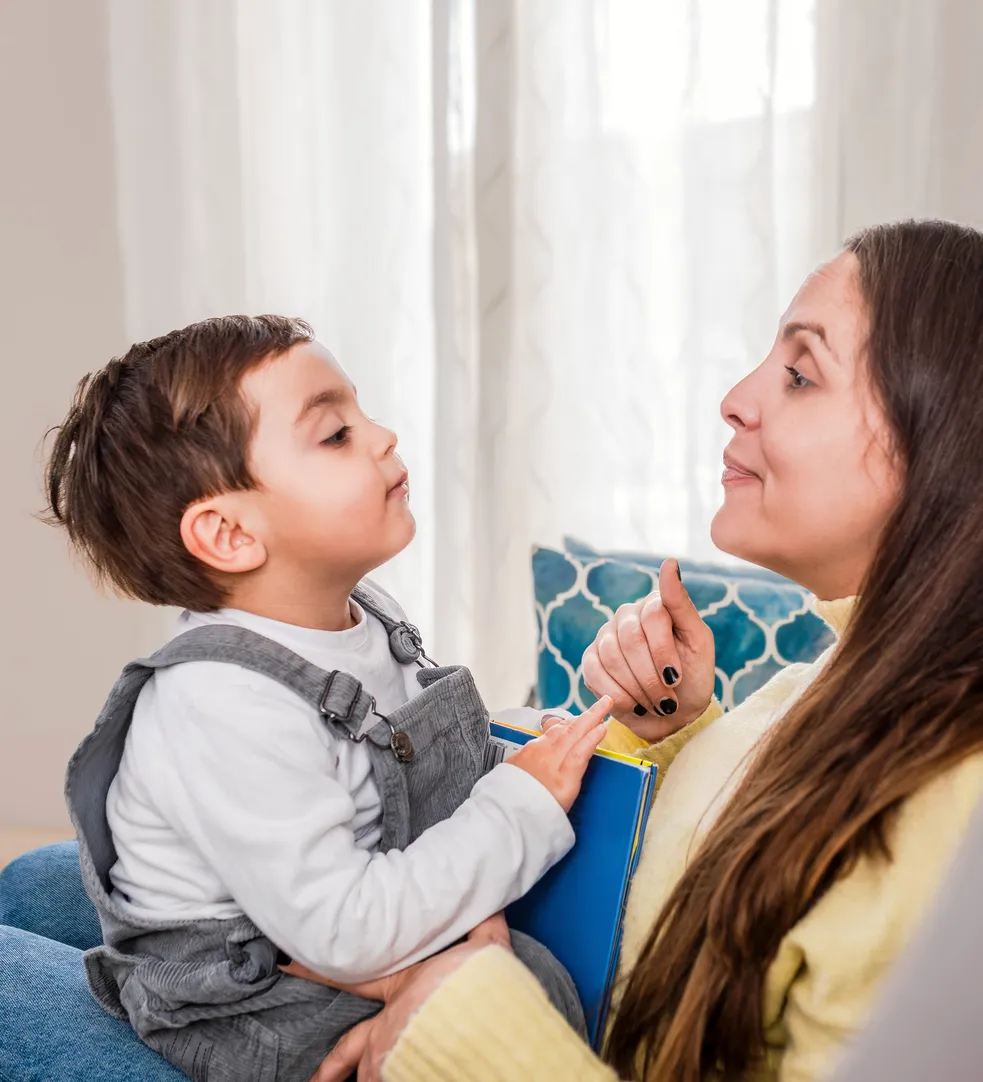
Speech therapy for an autistic child begins with an assessment of how they communicate now: what they understand, how they get a message across, how clear their speech is, and how they play and interact. A speech pathologist then sets goals with the family that matter in daily life, such as asking for help, joining a game or coping with a question in class.
Dr Lauren works with autistic children and teenagers up to 18 years. Children do not need a diagnosis, and families can apply to work with her. The aim is communication, in line with the National Guideline for supporting autistic children and their families, published by Autism CRC in 2022.
A relationship-based approach, with parents involved
Dr Lauren favours relationship-based therapy. She is trained in DIR Floortime, a developmental approach that starts from a child's individual differences, stage of development and interests, and follows the child's lead. She is also trained in Hanen: It Takes Two to Talk, a program that teaches parents how to build early language in everyday routines.
In both, parents are part of the therapy. For how this applies to play, conversation and friendships, see social communication therapy. For very young children who are late to talk, see speech therapy for toddlers.
Nonverbal autism and children who are not yet speaking
Some autistic children speak very little or not at all, often described as nonverbal, nonspeaking or minimally verbal (Cochrane review, 2018). A child who does not speak still communicates, and may understand more than they can say.
Speech therapy for a nonspeaking child can include augmentative and alternative communication (AAC): signs, pictures or a device that speaks. A 2021 systematic review found that AAC went with improved speech in autistic children, not less.
Echolalia and scripting
Echolalia, repeating words or phrases heard from other people or from shows, is common in autistic children and usually means something. A 2023 systematic review could not recommend any program that sets out to reduce it. Read more in What is echolalia? and Gestalt language processing, explained.
Who diagnoses autism
Autism is assessed by a paediatrician, child psychiatrist or psychologist, sometimes with a team (The Royal Children's Hospital Melbourne). A speech pathologist may be part of that team but does not diagnose autism alone. Dr Lauren's part is speech, language and communication.
If you are not sure whether your child's late talking is a delay or something more, start with Speech delay or autism? and your GP.
Medicare, the NDIS and Thriving Kids
For how rebates and funding work, read Does Medicare or the NDIS cover private speech pathology? and the Thriving Kids explainer. Speech Clinic is not NDIS registered and is not a Thriving Kids provider.