Understanding Paediatric Speech & Language Disorders
Higher Level Language Development
Higher level language abilities are critical for social skills development and academic success With April Fool’s Day just passing, it’s...
Dyslexia Therapy
Dyslexia therapy with Dr Lauren Crumlish (PhD) is speech therapy for dyslexia: online sessions that work on the sound and language skills reading and spelling are built on, for children and teenagers up to 18 years.
In plain terms
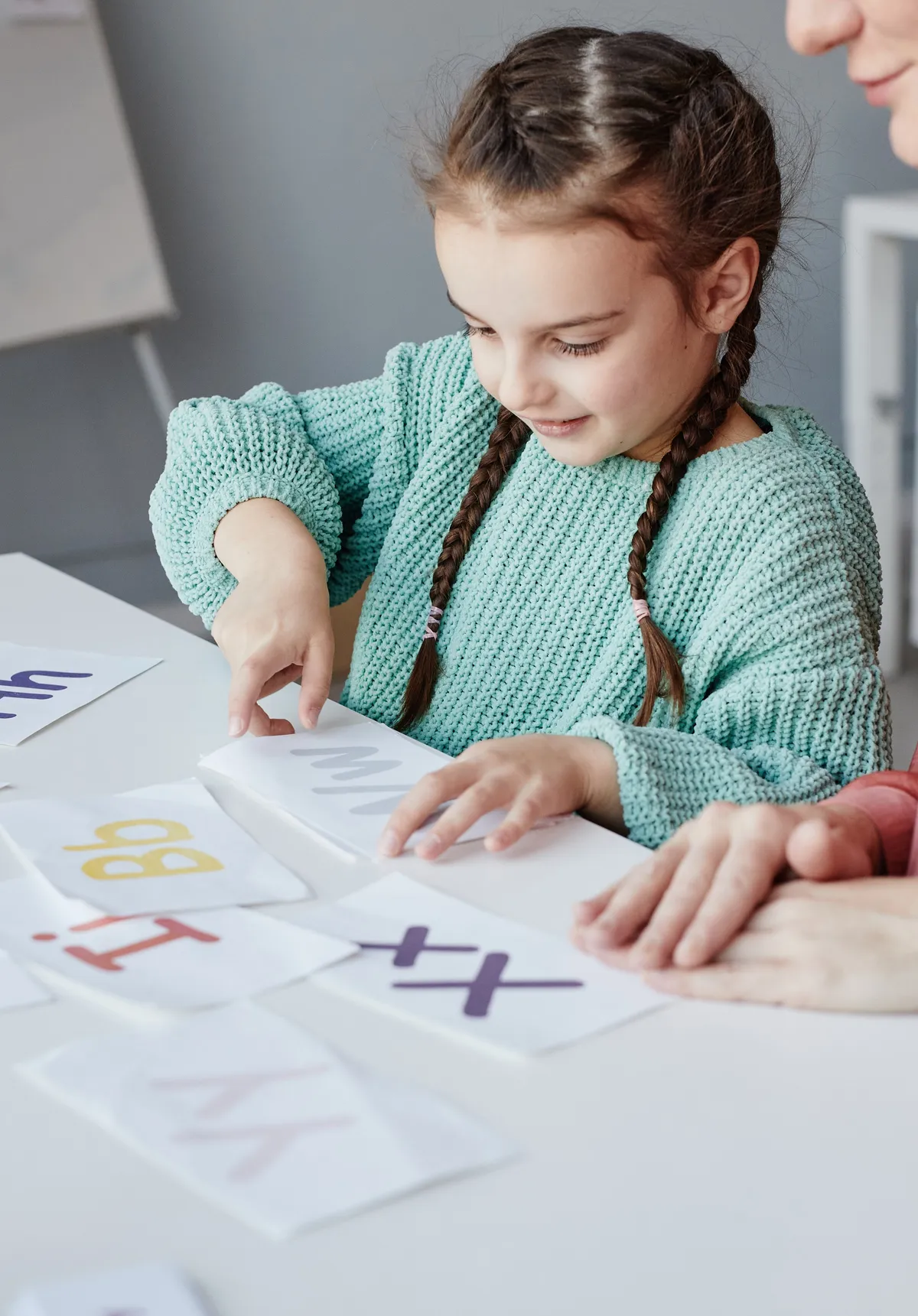
A child with dyslexia finds it hard to read words accurately and fluently, and to spell them, even with good teaching and steady practice. It is not a sign of low intelligence or a lack of effort.
The difficulty usually sits in how the sounds of spoken words are processed and linked to letters, which is why a speech pathologist can help.
Signs To Look For
Every child is different, and these signs do not confirm dyslexia on their own. They are the ones worth taking further.
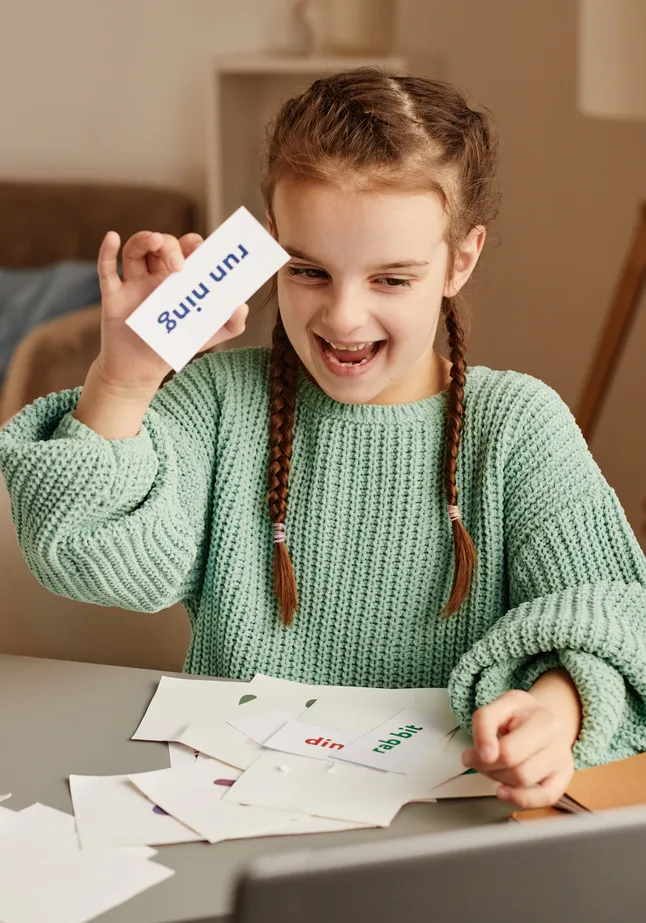
Reading stays slow and effortful despite regular practice
Letters and their sounds are hard to learn and remember
Sounding out words and learning sight words are both a struggle
Spelling is hard, and the same word may be spelt several ways
Your child avoids reading, or is worn out and frustrated by homework
Before school, little interest in rhymes, or trouble learning letter names
Dyslexia therapy with a speech pathologist starts underneath the reading. Reading draws on speech and language skills, and a difficulty in any of them shows up on the page. Dr Lauren looks at each one and works on the ones your child finds hard:
Many children with dyslexia have also had difficulty with spoken language. Where both are involved, Dr Lauren considers language development and reading together, which is something a speech pathologist is trained to do. The Long Assessment looks at language and literacy together.
Dyslexia is lifelong, and therapy does not cure it. Therapy works on the skills reading and spelling are built on, and gives you and your child's school practical ways to support them.
Therapy begins with a dyslexia assessment, so the work is aimed at where reading is breaking down for your child. For reading, spelling and writing difficulties more broadly, see literacy support. Families looking for a tutor can read about dyslexia tutoring with Dr Lauren.
Online Sessions
Sessions are held online by secure video, with books, words and reading tasks brought onto the screen.
A dyslexia assessment looks at how your child reads and spells and at the skills underneath, so therapy starts in the right place.
Therapy sessions are 45 minutes, typically weekly to fortnightly depending on your child's needs.
You are given the tools to support reading between sessions. Home practice is one of the factors that most affects progress.
Dr Lauren tracks your child's progress and adjusts the plan as their reading develops.
Fees
Therapy follows an assessment. The Mid-Length Assessment covers reading and spelling; the Long Assessment looks at language and literacy together.
Therapy
Per 45-minute session + administration
$193
Initial assessments
$590
Late talkers, stuttering and speech clarity difficulties
$890
School-aged language, literacy challenges and social communication
$1,290
Comprehensive evaluation of both language and literacy for school-aged children
Medicare rebates are available with a GP referral. Private health and NDIS (self-managed or plan-managed) can also apply. See full pricing
Questions Parents Ask
Yes. Dyslexia is closely tied to how the sounds in words are processed, and reading draws on speech and language skills such as phonological awareness and phonological memory. Those sit within a speech pathologist's training, so speech therapy for dyslexia works on the skills underneath reading as well as the reading itself.
A tutor usually gives extra reading and spelling practice. A speech pathologist also assesses and works on the sound and language skills that reading depends on, and considers spoken language alongside it. Dr Lauren provides dyslexia tutoring as a speech pathologist, so families do not have to choose between the two. Many families use both; Dr Lauren can tell you what her assessment suggests your child needs.
No. Dyslexia is lifelong. Therapy does not remove it; it works on the skills that reading and spelling are built on and gives your child and their school practical ways to manage.
Yes. Dr Lauren's sessions are held online by secure video. Sound-awareness work, letters and sounds, and shared reading can all be done on screen.
Sessions are 45 minutes and typically range from weekly to fortnightly, depending on your child's needs. Practice at home between sessions matters as much as the sessions themselves.
Therapy sessions with Dr Lauren Crumlish are $193 per 45-minute session plus administration. The assessment that comes first is $890 or $1,290, depending on the level your child needs. Medicare rebates are available with a valid referral from your GP.













Work With Dr Lauren
Dr Lauren works with a small number of families and has limited availability. Tell us about your child to be considered.
Apply Now