Understanding Paediatric Speech & Language Disorders
Higher Level Language Development
Higher level language abilities are critical for social skills development and academic success With April Fool’s Day just passing, it’s...
Dyslexia Tutoring
Dyslexia tutoring with Dr Lauren Crumlish (PhD) is one-to-one reading and spelling teaching from a Certified Practising Speech Pathologist. For families looking for a dyslexia tutor online, it starts with an assessment of the sound and language skills underneath reading, and is for children and teenagers up to 18 years.
In plain terms
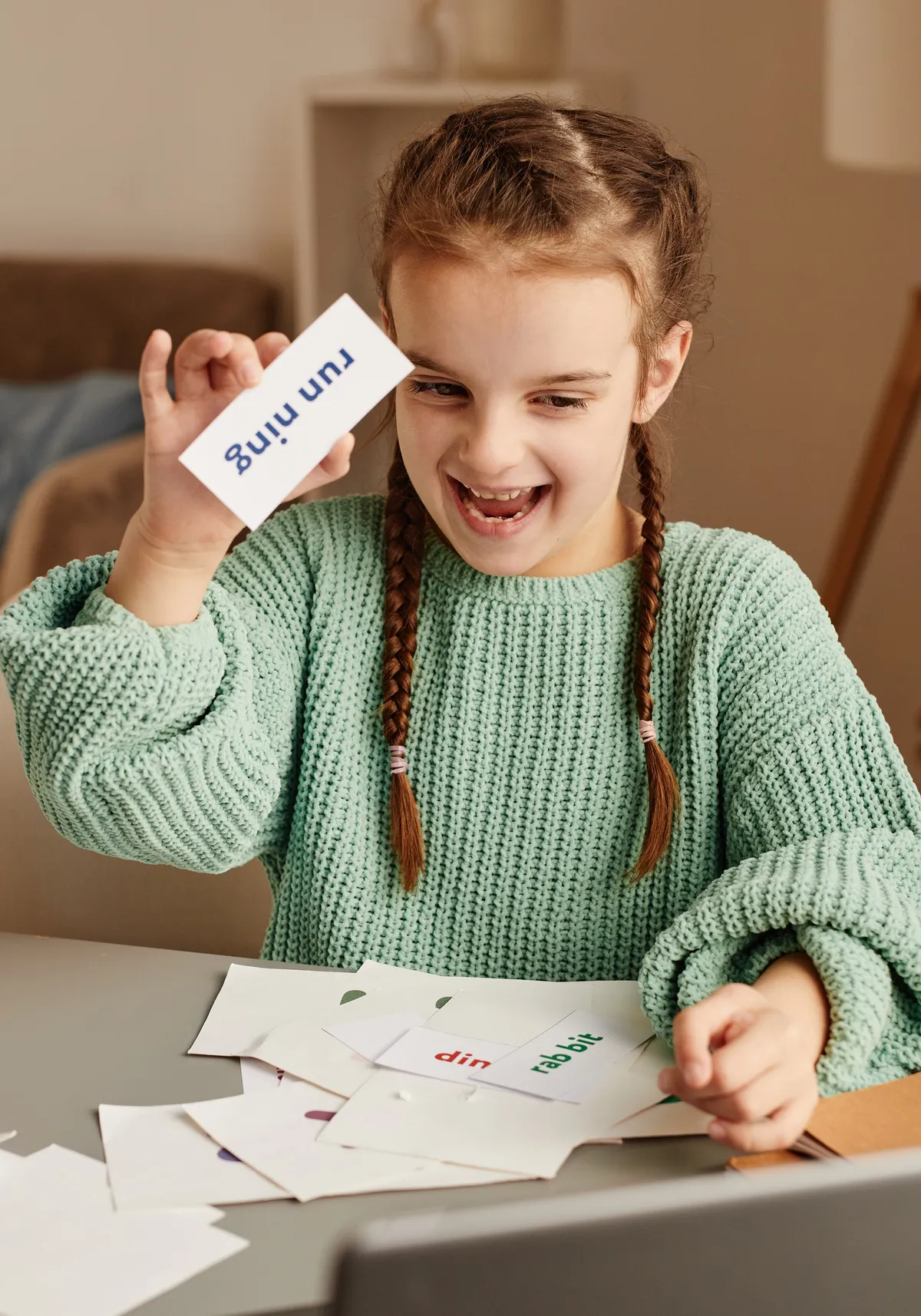
Dyslexia tutoring is one-to-one teaching for a child who finds reading and spelling hard despite good classroom teaching and steady practice. It teaches how the sounds in spoken words map to letters, step by step, with plenty of practice at each step.
With Dr Lauren, that teaching is delivered as speech pathology. On this site the same work is also called dyslexia therapy: whichever word you searched for, it is the same clinician and the same sessions.

Who It Suits
Dyslexia tutoring with a speech pathologist suits a child whose reading has stayed hard. These are the situations where the extra layer of assessment tends to matter.
Reading and spelling have not moved much despite tutoring or extra help at school
Your child was a late talker, or has had speech or language difficulties
It is unclear whether the trouble is reading the words, understanding them, or both
Spelling leaves sounds out, adds them or puts them in the wrong order
You want one clinician to assess, teach and review progress
Your child has a dyslexia diagnosis, or you suspect dyslexia and are waiting on one
Dyslexia tutoring with Dr Lauren is structured literacy teaching delivered by a speech pathologist. Structured literacy means reading and spelling are taught explicitly and in a planned order, each step building on the last. A child learns to hear the sounds in spoken words, learns the letters that spell them, then blends sounds to read and splits words into sounds to spell. Healthdirect, the Australian Government's health information service, lists structured synthetic phonics and phonemic awareness teaching among the approaches that help children with dyslexia.
What a speech pathologist adds is the layer underneath. Before tutoring begins, a dyslexia assessment looks at how your child reads and spells and at the speech and language skills reading is built on, such as phonological awareness (hearing and working with the sounds in words). Teaching then starts at the point where reading is breaking down for your child. Where spoken language is part of the picture, Dr Lauren considers language development and reading together. The Long Assessment covers both.
A general tutor and a speech pathologist can both teach a child with dyslexia to read and spell. Healthdirect names learning support teachers, experienced tutors and experienced speech pathologists as people who can help. The difference is in training and in where the work starts.
| Compared | General tutor | Dyslexia tutoring with Dr Lauren (speech pathologist) |
|---|---|---|
| Background | Varies: teachers, trained literacy tutors or others | PhD and Certified Practising Speech Pathologist, the credential awarded by Speech Pathology Australia |
| Where it starts | Often a placement test or the first lesson of a program | An assessment of reading, spelling and the sound and language skills underneath |
| What sessions cover | Reading and spelling practice, usually following a set program | Structured reading and spelling teaching, plus the underlying skills the assessment found to be weak |
| Spoken language | Not usually assessed | Assessed, and considered where it is part of the difficulty |
| Homework and school subjects | Often included | Not included |
| Diagnosis of dyslexia | No | No. Diagnosis is usually made by an educational psychologist |
| Cost | Usually a lower hourly rate | $193 per 45-minute session plus administration, after an assessment of $890 or $1,290 |
In Australia, dyslexia is usually diagnosed by an educational psychologist, and Dr Lauren does not diagnose it. Her assessment describes how your child reads and spells and which underlying skills are holding reading back, and families can share those findings with the school or a psychologist.
Many families use both. A tutor can give frequent practice during the week while a speech pathologist works on the skills underneath, and a tutor your child likes and is progressing with is worth keeping.
A tutor is the better choice when your child mainly needs help with homework, catching up in a school subject or exam preparation. Dr Lauren's dyslexia tutoring is priced as speech pathology, not as general tutoring. There is no separate tutoring rate, and sessions do not cover homework or schoolwork.
If that is what you are looking for, a tutor is the better fit.
Dyslexia tutoring is one part of the support on this site. Dyslexia therapy explains what dyslexia is, the signs and how speech therapy helps. Literacy support covers reading, spelling and writing difficulties more broadly, with or without dyslexia.
Online Sessions
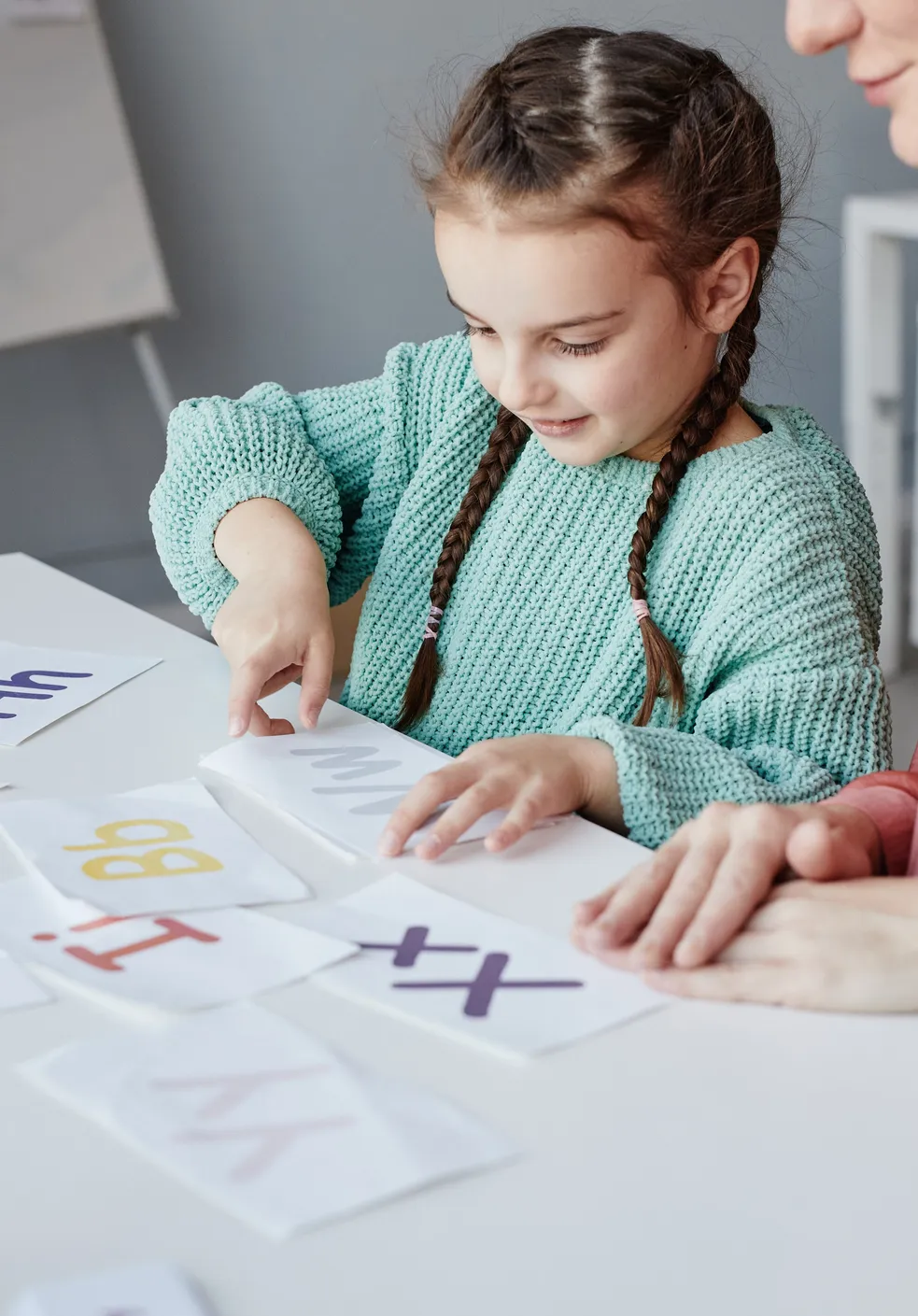
Dyslexia tutoring sessions are held online by secure video, with letters, words and reading material shared on screen.
A dyslexia assessment shows which reading, spelling and language skills are secure and which are not. Bring any reports you already have from school, a psychologist or another speech pathologist.
Sessions are 45 minutes, one to one with Dr Lauren, typically weekly to fortnightly. Each one builds on the last, and new material waits until the earlier step is secure.
You are shown what to practise between sessions and how. Short, regular practice is easier to keep up than one long sitting.
Dr Lauren tracks what your child can now read and spell, and changes the plan as skills are secured.
Fees
Dyslexia tutoring is charged at Dr Lauren's standard speech pathology session fee. It follows an assessment: the Mid-Length Assessment where reading and spelling are the main concern, or the Long Assessment where language and literacy both need a detailed look.
Therapy
Per 45-minute session + administration
$193
Initial assessments
$590
Late talkers, stuttering and speech clarity difficulties
$890
School-aged language, literacy challenges and social communication
$1,290
Comprehensive evaluation of both language and literacy for school-aged children
Medicare rebates are available with a GP referral. Private health and NDIS (self-managed or plan-managed) can also apply. See full pricing
Questions Parents Ask
Both can teach reading and spelling. A tutor usually follows a literacy program and may also help with schoolwork. A speech pathologist is a university-trained health professional who first assesses the sound and language skills reading depends on, then teaches reading and spelling with those findings in hand. Dr Lauren Crumlish holds a PhD and is a Certified Practising Speech Pathologist.
No. Families can apply whether or not their child has a diagnosis. Dyslexia is usually diagnosed by an educational psychologist, and Dr Lauren does not diagnose it. Her assessment looks at how your child reads and spells and at the skills underneath, which is what the teaching is planned from.
Yes. Dr Lauren's dyslexia tutoring is held online by secure video, wherever your family lives in Australia. Sound work, letters, spelling and shared reading can all be done on screen, and there is no travel after school.
Yes. Reading and spelling use the same knowledge of sounds and letters in opposite directions, so they are taught together. A child whose parents are looking for a spelling tutor often needs the same sound-by-sound work as one whose parents want a reading tutor for dyslexia.
Sessions are 45 minutes and typically weekly to fortnightly, depending on your child's needs. Short, regular practice at home between sessions matters as much as the sessions themselves.
Dyslexia tutoring with Dr Lauren Crumlish is $193 per 45-minute session plus administration, the same fee as her other speech pathology sessions. The assessment that comes first is $890 or $1,290, depending on the level your child needs.
No. Sessions teach the reading and spelling skills that schoolwork relies on. They do not cover homework, assignments or subject tutoring. A tutor is the right person for that.
Ask what training they have in teaching reading, and whether they assess before they teach. Ask whether the teaching is explicit and follows a planned sequence of sounds and letters, how progress is measured, and what they do if a child is not progressing. Ask whether the program has independent evidence behind it. Be cautious of coloured lenses, overlays or eye exercises, which Healthdirect says do not help dyslexia.













Work With Dr Lauren
Dr Lauren works with a small number of families and has limited availability. Tell us about your child to be considered.
Apply Now