Skip to content

Developmental Language Disorder

Developmental Language Disorder (DLD) Therapy

Developmental language disorder (DLD) is a lasting difficulty understanding or using spoken language that is not caused by a known condition such as hearing loss or autism. In an Australian study, 6.4 per cent of ten-year-olds met the criteria for DLD. Dr Lauren Crumlish (PhD) assesses and works online with school-aged children and teenagers up to 18 years who have DLD.

  • Dr Lauren Crumlish, PhD, Certified Practising Speech Pathologist
  • Language assessments that can identify DLD, and therapy that follows
  • Online sessions, wherever your family lives in Australia
A woman with curly hair, wearing a grey sweater, sits on the floor holding a smiling child dressed in black. They are in a cozy, well-lit room with a stack of books in the background.

In plain terms

Developmental language disorder is a lasting difficulty with language that is not caused by another known condition

A child with developmental language disorder finds it hard to understand what is said, to put thoughts into words, or both. The difficulty lasts beyond the early years, affects everyday life or learning, and does not come with a condition such as hearing loss, autism or intellectual disability.

DLD is the term an international panel of experts agreed on in 2017. It replaced older names, including specific language impairment. It is not caused by how much parents talk to their child.

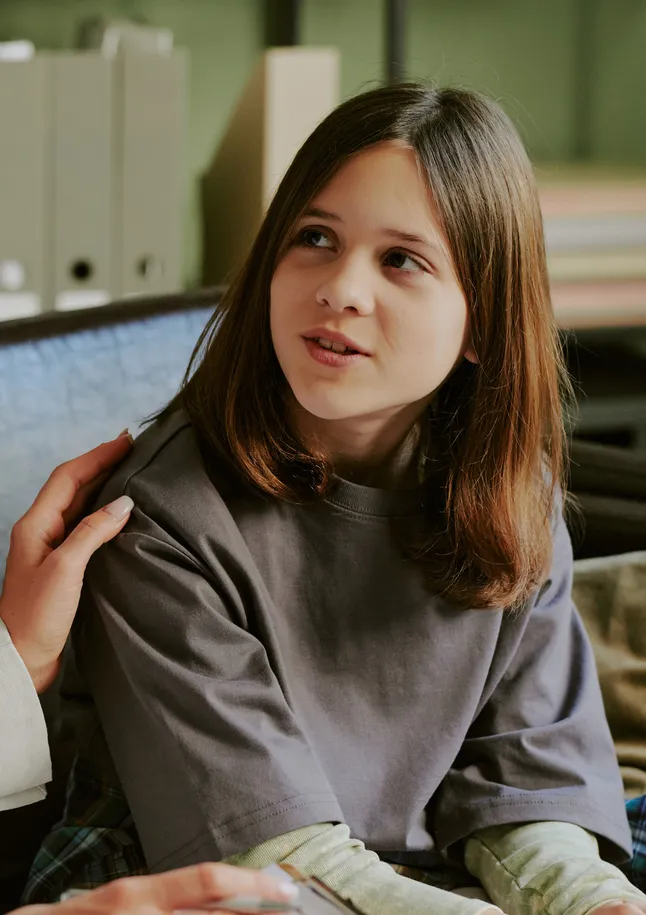
A young, brown-haired girl is sitting indoors on a couch, looking slightly to the side and talking. A speech therapist's hand is gently placed on her shoulder.

Signs To Look For

Signs Of Developmental Language Disorder

Developmental language disorder is often called a hidden condition. A child with DLD can speak clearly and still struggle with language, so the signs are easily read as not listening, shyness or behaviour.

  • Instructions are forgotten or half followed, especially longer ones

  • Sentences are shorter or simpler than those of other children the same age

  • Words are missed out or used wrongly, and new words are slow to stick

  • Stories and explanations come out jumbled or out of order

  • Learning to read and write is harder than expected

  • Your child seems not to listen, gets frustrated or avoids conversation

How Developmental Language Disorder Is Diagnosed And Treated

DLD diagnosis: who makes it, and at what age

In Australia, developmental language disorder is diagnosed by a speech pathologist. There is no blood test or scan for it. A DLD diagnosis comes from a language assessment: your account of your child's development, observation, and standardised tests of how your child understands and uses words and sentences. The results are set against how much language is affecting everyday life at home and at school. A hearing test is often recommended, because hearing loss is one of the conditions to be considered, and a paediatrician or psychologist may be involved as well.

DLD is not usually diagnosed before about five. Language changes quickly in the early years and about 50 to 70 per cent of late talkers catch up, so a younger child is more often described as having a language delay, and reviewed. A speech pathologist can name DLD earlier where the difficulties are clearly going to last. For younger children, see speech therapy for toddlers and late talkers.

DLD, language delay and language disorder: the difference

  • Language delay: a young child's language is behind for their age. Many catch up.
  • Language disorder: language difficulties that are likely to last into the school years and beyond, and that affect everyday communication or learning.
  • Developmental language disorder: a language disorder that does not come with another condition known to affect language.

Where a language disorder comes with a condition such as autism, hearing loss, intellectual disability or a genetic syndrome, it is described as a language disorder associated with that condition. The language needs can be just as real, and Dr Lauren's page on language delay and language disorders covers them more broadly. See also speech therapy for autistic children.

What speech therapy for DLD works on

Speech therapy for developmental language disorder builds the language a child needs for learning and friendships, and gives the child and the adults around them ways to work with it. DLD is lifelong and therapy does not cure it. Depending on what the assessment finds, a speech pathologist may work on:

  • Vocabulary: learning new words deeply enough to use them, including the words school subjects depend on.
  • Sentences and grammar: understanding and building longer, more complex sentences.
  • Understanding: following instructions, questions and what is read aloud.
  • Telling and explaining: putting events and ideas in an order a listener can follow.
  • Language for reading and writing: the spoken language skills that comprehension and written work are built on.

For older children and teenagers the work moves to higher level language, such as inferencing and following the big picture of a text or conversation.

DLD often comes with other difficulties

Developmental language disorder often sits alongside other difficulties. Children with DLD are several times more likely than other children to find reading hard, and DLD can occur together with dyslexia, attention difficulties, coordination difficulties and speech sound disorders, including childhood apraxia of speech. Where reading or spelling is also a concern, see literacy support and dyslexia therapy.

Working with Dr Lauren

Families apply to work with Dr Lauren Crumlish (PhD). Her two language assessments are the Mid-Length Assessment for school-aged language and the Long Assessment for language and literacy together.


Online Sessions

What Therapy With Dr Lauren Involves

Dr Lauren's sessions are held online by secure video, while your child is somewhere familiar at home.

  1. Assessment first

    Dr Lauren assesses how your child understands and uses language, and listens to your account of their development. Her language assessments can identify DLD.

  2. Sessions by video

    Therapy sessions are 45 minutes, typically weekly to fortnightly depending on your child's needs.

  3. Everyday strategies

    You are given the tools and knowledge to support your child's language at home between sessions.

  4. Progress reviews

    Dr Lauren tracks your child's progress and adjusts the plan as their language grows.

Fees

DLD Therapy Fees

Therapy follows an assessment. School-aged children with language difficulties usually start with the Mid-Length Assessment; the Long Assessment looks at language and literacy together.

Therapy

Treatment Session

Per 45-minute session + administration

$193

Initial assessments

  • $590

    Short Assessment

    Late talkers, stuttering and speech clarity difficulties

  • $890

    Mid-Length Assessment

    School-aged language, literacy challenges and social communication

  • $1,290

    Long Assessment

    Comprehensive evaluation of both language and literacy for school-aged children

Medicare rebates are available with a GP referral. Private health and NDIS (self-managed or plan-managed) can also apply. See full pricing

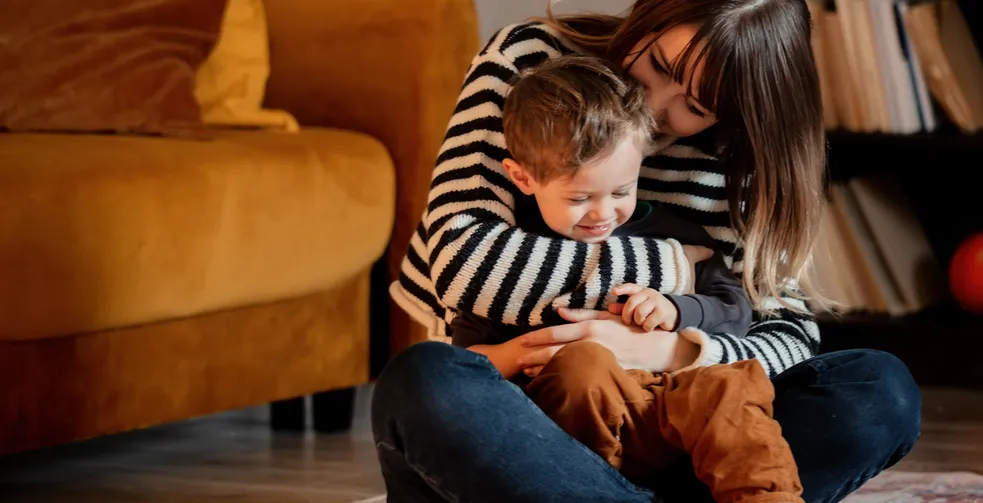
An adult and a child sit together on the floor, with the adult embracing the child. Both appear to be in a cozy living room with a yellow sofa and bookshelf in the background.

Questions Parents Ask

DLD Therapy Questions, Answered

Who can diagnose DLD in Australia?

A speech pathologist diagnoses developmental language disorder in Australia, using a language assessment and information about how language affects your child's everyday life. A paediatrician or psychologist may be involved where other conditions, such as autism or intellectual disability, need to be considered. You do not need a referral to see a speech pathologist.

At what age is DLD diagnosed?

DLD is usually diagnosed from about five years, once it is clear the language difficulties are lasting. Before then, children are more often described as having a language delay. Some people are not diagnosed until their teenage years or adulthood.

Is DLD the same as a language delay?

No. A language delay means a young child is behind for their age, and many catch up. Developmental language disorder means the difficulties have lasted, are affecting everyday life or learning, and are not expected to go away on their own.

Is DLD a form of autism or dyslexia?

No. DLD is a difficulty with spoken language. Dyslexia is a difficulty reading and spelling words, and a child can have both. Autism is a separate diagnosis that sits with a paediatrician or psychologist; where an autistic child also has a language disorder, it is described as a language disorder associated with autism.

How common is developmental language disorder?

An Australian study of 1,626 ten-year-olds found 6.4 per cent met the criteria for developmental language disorder. UK research puts it at about 1 in 14 children, or roughly two in a class of 30. It is far more common than most people expect, and often goes unrecognised.

Does DLD go away?

No. Developmental language disorder is lifelong. Therapy does not remove it; it builds language skills and gives your child, your family and their school ways to work with it. What a child needs often changes at each new stage of school.

How much does DLD therapy cost?

Therapy sessions with Dr Lauren Crumlish are $193 per 45-minute session plus administration. The assessment that comes first is $890 or $1,290, depending on the level your child needs. Medicare rebates are available with a valid referral from your GP. Speech Clinic is not NDIS registered; self-managed and plan-managed participants can use their funding.

A young person with curly hair and braces, wearing a denim shirt and white headphones around their neck, smiles at the camera while holding eyeglasses in one hand. A young boy in a white shirt smiles while looking to the left. A person with long brown hair wearing a blue shirt stands indoors, with a bright window and shelves with various items in the background.
A child reaches for a pink teddy bear placed on a table next to a rainbow-shaped wooden toy. Framed floral artwork is visible in the background. A person with curly hair smiles while wearing a white t-shirt and headphones. They are seated indoors with a light-colored background. A young girl with long blond hair and a light purple shirt smiles while sitting on a couch, gesturing with her hand. A woman and a young boy sit outside on a blanket. The woman shows the boy an object, and they both focus on it intently. The background is grassy and blurred.
A person with long hair is looking up and laughing outdoors, wearing a black and white striped shirt. Greenery is in the background. A young boy with brown hair and a grey t-shirt smiling while wearing white earphones. A young child wearing a yellow shirt holds a colored pencil above a piece of paper, appearing focused on drawing. Another person's hand is partially visible beside the child. Small toy vehicles, including two larger trucks and two mini cars, are scattered on a textured brown carpet.
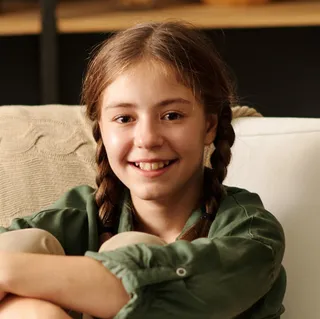
A young child with Down syndrome, wearing a striped shirt, sits on a couch, smiling and raising a hand while looking at an open laptop. A young girl with braided hair sits on a couch, smiling at the camera. She is wearing a green shirt and appears relaxed. A man in a white t-shirt is smiling and looking to the side, surrounded by large green leaves.

Work With Dr Lauren

Apply Now

Dr Lauren works with a small number of families and has limited availability. Tell us about your child to be considered.

Apply Now
  • Evidence-Based Techniques
  • Comprehensive Assessments
  • Experienced Professionals
  • Child-Centred Care
Speech Clinic

Your child Who would Dr Lauren be working with?

This takes about three minutes.